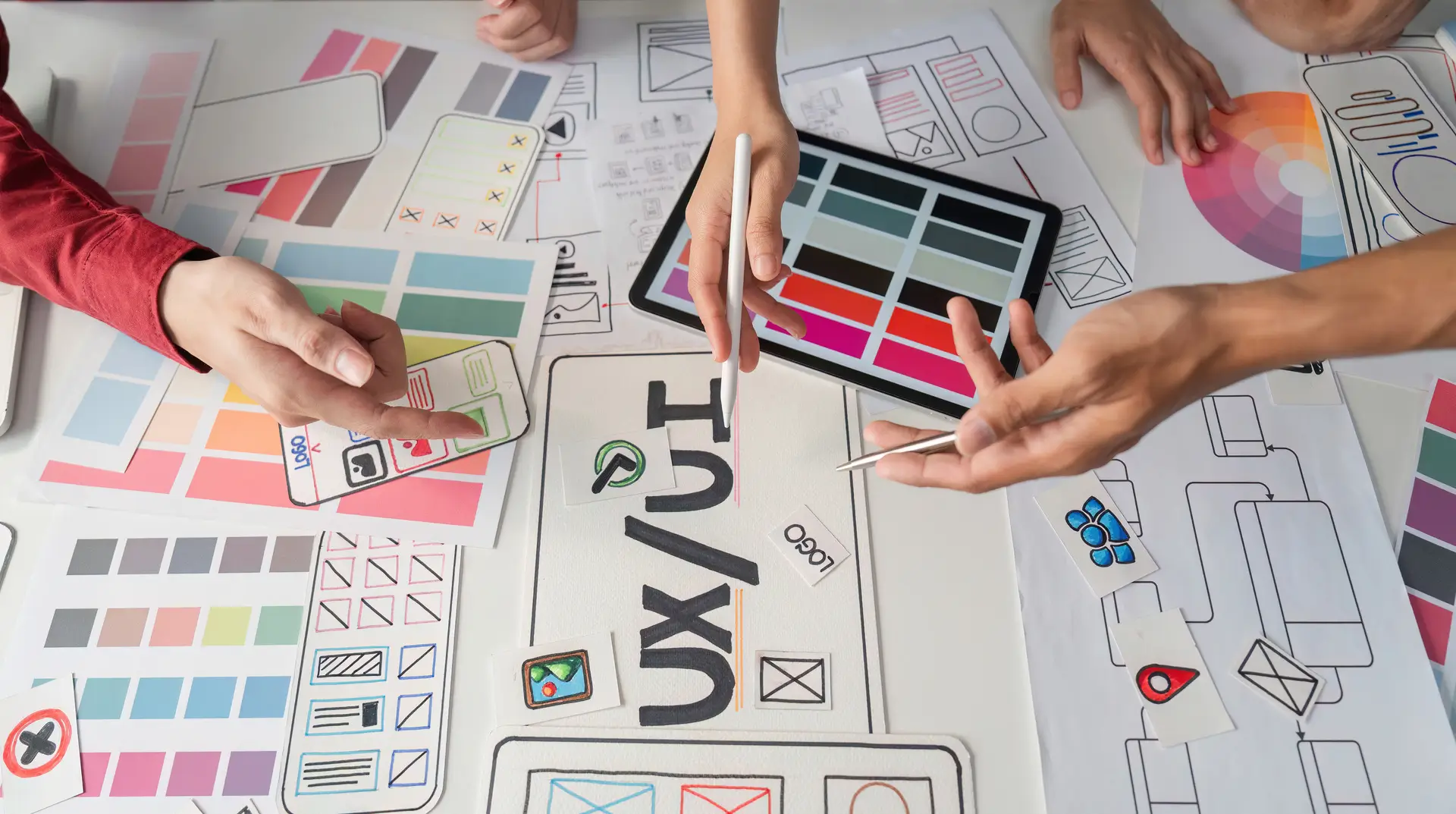
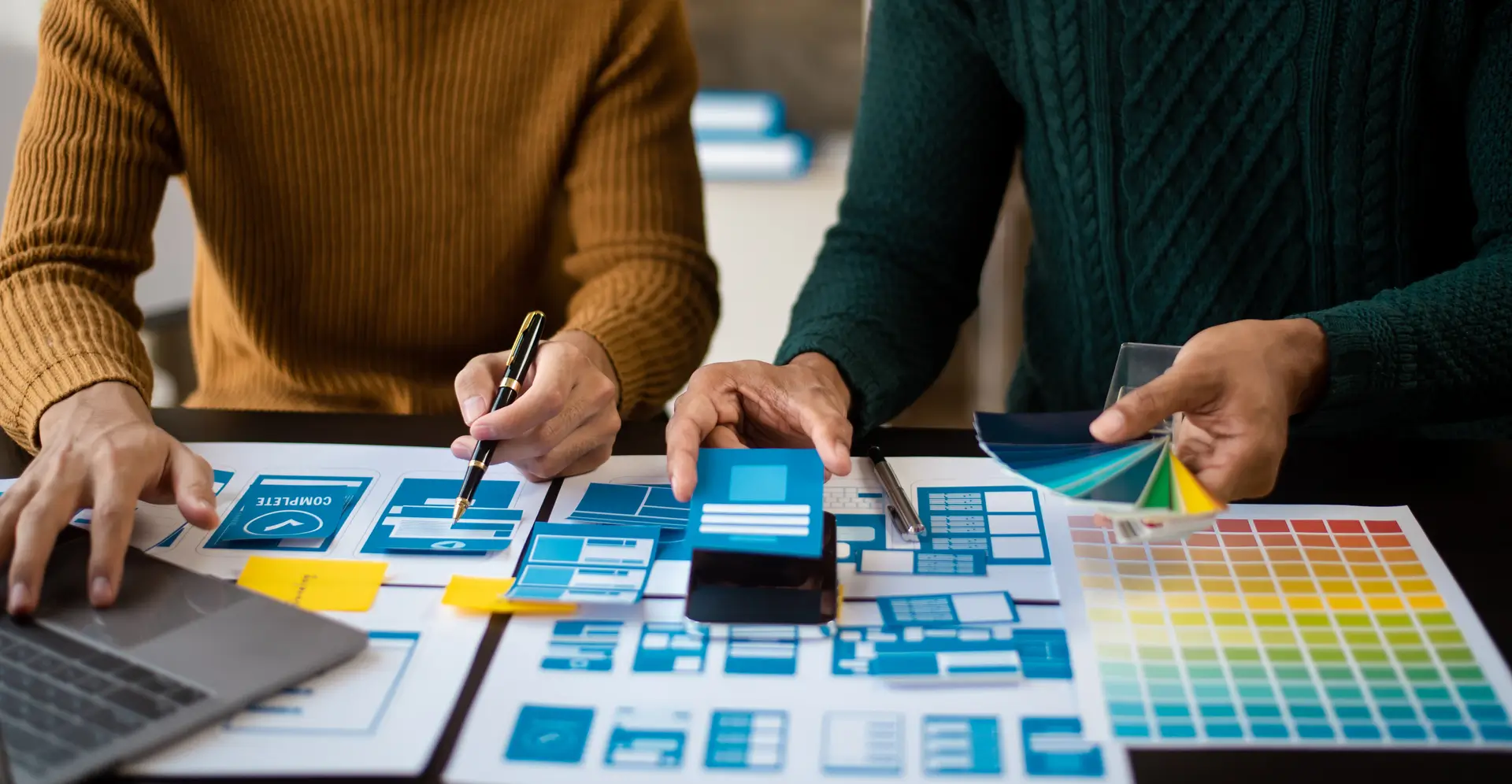
In the fast-moving digital world of 2026, every successful product needs a vision. Understanding the core concept of UI vs UX is the first step toward growth. Many people often use these two terms as if they mean the same thing. However, they are two very different parts of the design process today. At DevSphere Technologies, we believe both roles are essential for every modern brand. One focuses on the look, while the other focuses on the entire journey. A beautiful website that is hard to use will always frustrate your customers. Conversely, a great flow with a poor layout will look very unprofessional.
We can explain this simply by using a classic and famous house analogy. User Experience is the structural foundation and the basic plumbing of the home. It determines where the walls go and how the rooms connect easily. Without a solid foundation, the house will not be safe or functional. User Interface is like the paint, the furniture, and the decorative lighting. It makes the house beautiful and reflects the unique personality of the owner. You need both to create a place where people truly want to live.
In 2026, the stakes for digital experiences have never been higher for businesses. Users expect every app to feel smart, fast, and very helpful today. Recent data shows that companies with good design see much higher results. Great design is no longer a luxury for modern startups this year. It is a core requirement for reaching your long-term business goals successfully. Let us explore the deep details of these two vital design disciplines now.
UI vs UX: Understanding the Basics for the Year 2026
The year 2026 has brought many changes to how we design digital tools. Artificial intelligence and spatial computing are now part of our daily design workflows. However, the fundamental difference between UI vs UX remains the same for experts. UX design is the strategic and analytical side of the creative process. It involves researching user behavior and finding solutions to their deep pain points. A UX designer asks why a user is visiting the platform in the first place. Their goal is to make the journey as smooth and logical as possible. On the other hand, UI design focuses on the visual and interactive elements. It is the bridge that allows a user to interact with a product.
This includes the color schemes, the typography, and the placement of every button. In 2026, we see more tactile styles and glass layers in interfaces. These styles make digital elements feel like you can actually touch them. When these two fields work in perfect harmony, the results are truly remarkable. At DevSphere Technologies, we treat every pixel like a vital part of your business. Our goal is to balance these disciplines to drive your long-term digital growth. We want to help you build something that people enjoy using every day. Understanding the difference between ui vs ux is the best place to start.
UI Design Defined
User interface design is the craft of creating the visual layer of a product. It focuses on the aesthetic appeal and the interactive elements of the screen. A good UI design translates a brand’s identity into a functional digital language. In 2026, this discipline has evolved to include more than just flat screens. We now design for voice, gestures, and even spatial environments like virtual reality. Every choice a visual designer makes must serve a very clear purpose. The colors should guide the eye, and the fonts should be very readable. Creating a positive user experience requires a high level of visual polish.
This is why graphic designers often transition into the field of UI design. They understand how to use visual elements to capture the user’s attention. Modern user interface design is about more than just making things look pretty. It is about creating a consistent language that users can understand very quickly. This consistency helps users feel safe and confident while they navigate your app. We use these principles to deliver the best Web Development Services for our clients. Every project we touch must be beautiful, accessible, and very easy to use.
Core UI Components and Technical Specifications in 2026
Building a professional interface requires a deep understanding of several key components. Each element must follow strict technical standards to ensure a positive user experience.
| Element | Primary Purpose | Technical Specs (2026) | Tools of the Trade |
| Typography | Ensures readability and brand voice | CSS font-weight 300 to 900 | Figma, Google Fonts |
| Color Systems | Evokes emotion and guides user action | WCAG AA contrast 4.5:1 | Coolors, Adobe Color |
| Layout/Grid | Establishes visual hierarchy and clean flow | CSS Grid 12-column system | Figma Auto Layout |
| Icons/SVG | Provides quick recognition of specific functions | 24x24px minimum tap size | Feather Icons, Remix |
| Animations | Offers feedback through micro-interactions | 200ms to 400ms transitions | Framer Motion, Lottie |
The Daily Tasks of a Modern UI Designer
A professional UI designer spends their time perfecting the look of the app. They take basic skeletal blueprints and turn them into stunning visual mockups. This process involves choosing the right color schemes and setting up a design system. They must ensure that the design looks great on all different screen sizes. This requires setting up responsive breakpoints for mobile, tablet, and desktop views. They also perform accessibility audits to ensure the design is inclusive for everyone. Finally, they hand off the design to the development team for final building. This handoff includes exact code snippets, spacing values, and high-quality image assets. A good designer knows that the details make a very big difference. They focus on the look and feel of a product to build trust. This is how digital designers create value in a very crowded market today.
UX Design Defined
User experience design is the analytical side of building a great digital product. It is about understanding the human psychology behind every click and scroll. The primary goal is to solve a problem for the person using it. A UX designer does not start with colors or fancy decorative graphics. Instead, they start with deep user research to find what people need. They map out the user journey to see where people get confused. By identifying these pain points, they can create a more efficient structure. In 2026, UX design is more predictive and personalized than ever before. We use data to understand how people interact with a product over time. This helps us create a more meaningful connection between the user and brand. Good user experience design is invisible because it just works perfectly for everyone. At DevSphere Technologies, we put the user at the center of every decision. This is how we ensure that our SEO Services deliver real value. A well-designed site is much easier to rank on modern search engines.
The 7-Stage DevSphere UX Process Framework
We follow a systematic pipeline to ensure every client project is a success. This framework ensures that we solve the right problems for your target audience.
- Research: We conduct 12 to 20 interviews to understand user behavior patterns.
- Define: We create “Jobs-to-be-Done” and very clear problem statements for developers.
- Ideation: Our team uses “Crazy 8s” to generate many creative ideas quickly.
- Information Architecture: We organize the content so it is very easy to find.
- Wireframing: We build low-fidelity blueprints to test the initial logical flow.
- Usability Testing: We watch 5 real users try to complete specific tasks.
- Iteration: We fix any errors found during testing before the final build.
Critical UX Metrics for Business Success
To measure the value of our work, we track several key metrics. These numbers help us prove that the design is actually helping your business.
- Task Success Rate: We want over 90% of users to succeed on tasks.
- Time on Task: Users should be able to finish actions very quickly.
- System Usability Scale (SUS): We aim for a score above 80 for ease.
- Net Promoter Score (NPS): This measures whether users would recommend your product.
- Interface Usability: We monitor how easily users can find the main navigation.
UI vs UX: A Detailed 15-Point Comparison Matrix for Your Brand
To make the difference clear, we have created a master comparison matrix. This table shows how these two roles focus on different aspects of design.
| Feature | UI Design (Visual Layer) | UX Design (Strategic Core) |
| Primary Focus | Aesthetics, brand feel, and interactivity | Research, logic, and user satisfaction |
| Core Goal | Create a beautiful and intuitive interface | Solve user problems and reduce friction |
| Deliverables | High-fidelity mockups and style guides | Personas, journey maps, and wireframes |
| Daily Skills | Graphic design, typography, and color theory | Empathy, data analysis, and interviewing |
| Metric for Success | Visual consistency and brand alignment | Task completion rate and user retention |
| When it Happens | Late stage of the design process | Early stage of the design process |
| Team Role | Executing the visual design details | Discovering the “why” behind the design |
| Brain Mode | Right brain (Creative and expressive) | Left brain (Analytical and logical) |
The Brain Hemisphere Model of Modern Design and Creative Success
We often say that UI vs UX represents the two sides of the brain. UI vs UX design is for the right brain because it is very creative. It focuses on the emotional response and the visual delight of the user. UX design is for the left brain because it is highly analytical. It uses data and logic to build a functional and safe structure. A great product needs both sides of the brain to work together perfectly. This is why we integrate these ideas into our Content Marketing Services. We want your content to be both logically sound and visually engaging. When you combine logic with beauty, you create something that truly lasts. This holistic approach is the secret to building a successful digital brand today. It helps you stand out in a world full of generic and boring apps. Your users will notice the extra care you put into every single detail.
Modern Tools Stack: Using Figma, Adobe XD, and AI Design Tools
The tools we use in 2026 have completely changed how we work today. Artificial intelligence now helps us automate the most tedious parts of our jobs. This allows our designers to focus on bigger and more complex problems.
The 2026 Design Tool Ecosystem
- For UI Design: We use Figma Make and Adobe Firefly for generating layouts. These tools help us maintain a consistent style for Social Media Marketing.
- For UX Research: Tools like Maze and Miro help us gather user feedback. We use these to map out user flows and organize research data.
- For AI Features: Predictive usability optimizers can now simulate thousands of user sessions. This allows us to catch errors before we even launch a prototype.
- For Spatial Design: We use new 3D prototyping tools for mixed reality experiences. These allow us to design for the future of spatial computing easily.
Our DevSphere Tool Integration Pipeline
Our pipeline is built for speed and very high production quality. We move from Figma designs to Framer prototypes in just a few days. Then we hand off assets to our WordPress development services team. This ensures that the final code matches the design perfectly every time. We also use the AI Design System Governor to keep things consistent. This tool flags any design errors that do not follow our standards. This workflow allows us to deliver results much faster than our competitors.
Why Good Design Matters for Your Remarkable Business Growth Today
Investing in the difference between ui vs ux is a smart financial move. It is not just about making things look pretty for your customers. It is about creating a product that users can trust and enjoy. Good design reduces the cost of customer support for your company. If a product is easy to use, people will not need help. This saves your business a lot of money in the long run. Furthermore, great design builds incredible loyalty among your current user base. Happy users are much more likely to become regular and paying customers. They will also tell their friends about their great experience with your brand. This word of mouth is the most powerful marketing tool in existence today. At DevSphere Technologies, we help you unlock this potential through smart design.
The ROI of Good Design in the Year 2026
Recent studies from 2026 show that the ROI of design is huge. For every dollar you spend on UX, you can get $100 back. This is because satisfied users are more likely to buy from you. They are also more likely to tell their friends about your brand. We see a 31% average growth in conversion for our clients. This happens when we redesign an app to be more user-centered. Our custom WordPress development also focuses on high performance and speed. A fast site is a key part of a positive user experience. People do not like to wait for slow pages to load today. We ensure that your site is fast, beautiful, and very effective.
How We Achieved Success for Our Clients
We have helped many brands achieve their goals through smart design changes. These cases prove the power of balancing the look and feel.
Client Case Study #1: E-commerce Platform Redesign
A leading online store had a very high shopping cart abandonment rate. Their users found the checkout process to be too long and confusing.
- The UX Fix: We used usability testing to find where people were leaving. We reduced the checkout steps from seven to only three.
- The UI Fix: We made the “Buy Now” button larger and more vibrant. We also added a clear progress bar to show the user’s status.
- The Result: The conversion rate increased from 1.2% to a massive 8.7%. Their bounce rate also dropped significantly after the update was launched.
The Success Story of Notion’s Modular Design
Notion is a perfect example of design harmony in the year 2026. Its UI success comes from its clean, bento-grid layout and simple icons. Its UX success is the incredible flexibility it offers to every user. It allows people to build their own tools without any coding knowledge. This “transparent experience” makes the software feel invisible to the person. This is the ultimate goal of every professional and modern product designer. They want the tool to help the user without getting in the way.
Salary Ranges and New Opportunities in 2026
The design industry is growing at a very fast pace in 2026. Companies are looking for people who can solve complex human problems.
2026 Salary Ranges for Designers
| Job Title | Junior Role (1-3 yrs) | Senior Role (7+ yrs) | DevSphere Rate |
| UI Designer | $75,000 | $145,000 | $80 per hour |
| UX Designer | $85,000 | $165,000 | $95 per hour |
| Product Designer | $95,000 | $185,000 | $140 per hour |
At DevSphere Technologies, we are always looking for new and talented people. We value designers who understand both the creative and logical sides. If you want to build the future of tech, join us today. We offer a collaborative environment where you can grow your skills. You will work on exciting projects that make a real impact. Our team is passionate about creating the best possible digital experiences. We believe that great work comes from a happy and inspired team.
Conclusion UI vs UX
The difference between a good product and a great one is design. In 2026, you cannot afford to ignore the needs of your users. At DevSphere Technologies, we help you navigate the complex world of design. We offer end-to-end services from research to the final developer handoff. Our team is an expert in balancing the look and feel of apps. We want to help you achieve remarkable growth through human-centered design principles. Our experts are ready to take your project to the next level. We combine deep technical knowledge with a passion for great user experiences. This ensures that your brand stays ahead of the competition at all times. Don’t let a poor interface hold your business goals back any longer.
Are you ready to transform your digital presence for the better? Get a Quote Today and let us start building your next success story.
FAQs
How do UI and UX work together?
UI and UX work together by combining visual design with logical user research. While the UX designer builds the structure, the UI designer adds the visuals. They collaborate to ensure the product is both functional and very beautiful. This partnership is what creates a seamless and successful digital experience. It ensures that the product is useful, usable, and very desirable.
Why UI and UX matter?
UI and UX matter because they directly impact your business conversion rates. Good design builds trust and makes users want to stay on your site. Without them, users will likely leave your product for a better competitor. Investing in these fields ensures long-term customer loyalty and higher revenue. It is the best way to ensure your digital product survives today.
What is UI design?
UI design is the process of creating the visual elements of an interface. It includes choosing the right colors, fonts, and interactive buttons for the screen. The main goal is to make the product look professional and attractive. It is the bridge between the user and the technical system behind it. A good UI design makes the interaction feel natural and very pleasant.
What is UX design?
UX design is the strategic study of how a user interacts with a product. It focuses on solving problems and making the user journey very easy. This involves conducting research, building wireframes, and testing prototypes with real people. A good UX design ensures that the product provides real value to users. It aims to make every interaction feel meaningful and very efficient.