Why Social Media Strategy Matters
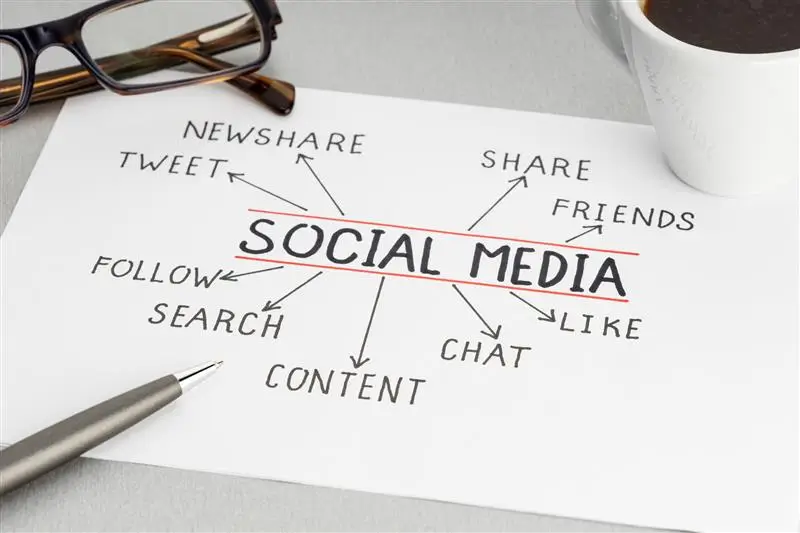
A social media strategy is no longer optional in today’s digital economy. With over 4.9 billion people using social platforms worldwide. Businesses that lack a clear plan risk falling behind competitors who are effectively engaging their audiences. A structured strategy helps align goals, measure results, and strengthen brand identity.
The main goal of a social media strategy is to connect with audiences in a meaningful way. While driving business outcomes like sales, lead generation, or customer loyalty. This guide explains the core elements of creating a strategy, proven social media marketing strategies. Also useful tools to simplify the process.
Start building your own social media strategy today. Contact Devsphere Technologies for a template, experiment with new formats, and track performance. The earlier you plan, the faster you will see results.
What is a Social Media Strategy?
A social media strategy is a detailed plan outlining how a business or individual will use social platforms. For the purpose of achieving specific objectives. It covers:
- Target audience: Understanding who you want to reach.
- Goals: Defining measurable outcomes such as website traffic or engagement.
- Content: Creating and scheduling posts that align with your brand.
- Metrics: Tracking performance with tools and analytics.
Unlike random posting, a strategy ensures consistency and focus. It allows brands to build long-term credibility.
Key Benefits of a Strong Social Media Strategy
The advantages of having a clear strategy go beyond likes and shares.
- Better Audience Engagement: A strategy ensures relevant content reaches the right people.
- Brand Growth: Consistent posts improve social media branding and recognition.
- Higher ROI: Resources are spent on proven tactics rather than guesswork.
- Adaptability: Businesses can adjust quickly to trends for social media.
- Data-Driven Insights: Measurable goals help refine future campaigns.
Essential Components of a Social Media Strategy
1. Setting SMART Goals
Every strategy should begin with Specific, Measurable, Achievable, Relevant, and Time-bound goals. Example: “Increase Instagram engagement by 20% within three months.”
2. Audience Research
Understanding demographics, interests, and behavior. It makes sure to create content that resonates. Use tools like Sprout Social or Google Analytics.
3. Choosing the Right Platforms
Not every platform works for every brand.
- B2B companies often succeed on LinkedIn.
- Lifestyle brands perform better on Instagram or TikTok.
- Customer service-heavy businesses excel on Twitter/X.
4. Content Planning
Content should reflect brand values and audience needs. A social media strategy template can help structure posts by day, topic, and format.
5. Consistency and Scheduling
Scheduling tools such as Buffer or Kontentino ensure steady posting, maintaining audience trust.
6. Tracking and Analytics
Use insights to measure KPIs like engagement rate, conversions, or follower growth.
Social Media Strategies That Work in 2026
Here are proven social media marketing strategies used by leading brands:
1. Storytelling Through Short-Form Video
Platforms like TikTok, Instagram Reels, and YouTube Shorts dominate. For example, Nike uses short inspirational clips to connect emotionally with audiences.
2. User-Generated Content (UGC)
Brands like Starbucks encourage customers to share photos of drinks, boosting engagement.
3. Social Commerce
Instagram and TikTok now support direct shopping. It makes it easier for consumers to buy products without leaving the app.
4. Influencer Collaborations
Partnering with micro-influencers builds authenticity, as seen with beauty brand Glossier.
5. Paid Advertising with Precision Targeting
Facebook Ads allow businesses to reach highly specific audiences, improving ROI.
6. Real-Time Engagement
Responding quickly to customer queries improves trust and enhances social media optimization.
Creating a Social Media Strategy Template
A social media strategy template simplifies planning. Here’s a sample framework:
| Element | Example |
| Goal | Increase engagement by 15% in 3 months |
| Target Audience | 25–40-year-old professionals in the USA |
| Content Type | Short videos, infographics, and carousels |
| Posting Frequency | 4x per week |
| Key Platforms | LinkedIn, Instagram |
| Measurement Metrics | Engagement rate, follower growth, CTR |
This template ensures focus and alignment across all campaigns.
Real-World Example: Wendy’s Twitter Strategy
Wendy’s is known for its witty, humorous posts on Twitter. Their strategy works because:
- Authenticity: The tone is consistent with their brand.
- Engagement: They actively reply to customers.
- Virality: Clever roasts and memes drive massive shares.
This proves that personality-driven strategies can make even a fast-food chain stand out.
Adapting to Trends for Social Media
Social platforms evolve rapidly. From AI-generated content to VR-driven experiences, keeping pace with trends for social media ensures strategies remain relevant. Brands that ignore these shifts risk losing audience interest.
Social Media Branding and Optimization
Strong social media branding creates a recognizable identity that audiences trust. Consistent logos, color schemes, and tone of voice are important. Pair branding with social media optimization techniques like keyword-rich captions and hashtags for maximum reach.
Practical Social Media Marketing Tips
Here are useful social media marketing tips to improve performance:
- Post during peak engagement hours.
- Use analytics tools to refine strategies.
- Combine organic content with paid campaigns.
- Focus on building conversations, not just promotions.
- Repurpose high-performing content across multiple platforms.
Challenges in Building a Social Media Strategy
- Algorithm Changes: Platforms often change rules, impacting reach.
- Content Saturation: Standing out is harder with high competition.
- Measuring ROI: Linking social metrics directly to revenue is complex.
- Resource Management: Small businesses struggle to manage multiple platforms.
Future of Social Media Strategy
By 2030, social media will integrate more with AI-driven personalization, voice search, and immersive experiences like AR shopping. Businesses that adapt early will maintain a competitive edge.
Partner with Devsphere Technologies
Start building your own social media strategy today. Contact our Professional Social Media Marketing Team for a template, experiment with new formats, and track performance. The earlier you plan, the faster you will see results.
Conclusion
A social media strategy is essential for connecting with audiences, building brand authority, and driving measurable results. By aligning goals, optimizing content, and adapting to evolving trends, Businesses can strengthen their online presence. The most successful strategies are flexible, authentic, and customer-focused.
FAQs
1. What are the 7 steps in a social media strategy?
The steps include goal setting, audience research, and platform selection. Also, content planning, scheduling, engagement, and performance tracking.
2. How often should businesses post on social media?
Most experts recommend posting 3–5 times per week per platform. But consistency is more important than frequency.
3. Which social media platform is best for small businesses?
It depends on the industry. Instagram works well for lifestyle brands, LinkedIn for B2B, and Facebook for community-driven businesses.
4. How do you measure the success of a social media strategy?
Key metrics include engagement rate, reach, website traffic, and conversion rates tracked through analytics tools.
5. Do paid ads matter in a social media strategy?
Yes, paid advertising helps expand reach and target specific customer groups, complementing organic strategies.

Written by
DevSphere Technologies
At Devsphere Technologies, we are the designers of digital success. Since 2018, our agency has been making outstanding solutions that help brands turn into market leaders. Just like a light house that leads ships away from the stormy waters and uncertainty of the deep sea, Devsphere Technologies helps businesses in the USA and around the world, find growth, creativity, and endless opportunities.
View all posts